
"The Shifting Sands of Mortgages: Exploring the Latest Trends, Market Insights, and Implications for Homebuyers, Lenders, and the Real Estate Market"
Mortgage News

“The Shifting Sands of Mortgages: Exploring the Latest Trends, Market Insights, and Implications for Homebuyers, Lenders, and the Real Estate Market”

The Shifting Sands of Mortgages: Exploring the Latest Trends, Market Insights, and Implications for Homebuyers, Lenders, and the Real Estate Market

The Shifting Sands of Mortgages: Exploring the Latest Trends, Market Insights, and Implications for Homebuyers, Lenders, and the Real Estate Market

Introduction

Mortgages play a crucial role in the real estate market, allowing individuals to purchase their dream homes while providing lenders with a profitable investment opportunity. However, the mortgage landscape is constantly evolving, influenced by various factors such as economic conditions, government policies, and market trends. In this article, we will delve into the latest trends in mortgages, examine market insights, and explore the implications these changes have for homebuyers, lenders, and the overall real estate market.

Current Mortgage Trends

Understanding the current trends in the mortgage industry is essential for both homebuyers and lenders. Staying informed about the latest developments can help borrowers secure the best possible terms, while lenders can adapt their strategies to meet market demands.

Rising Interest Rates

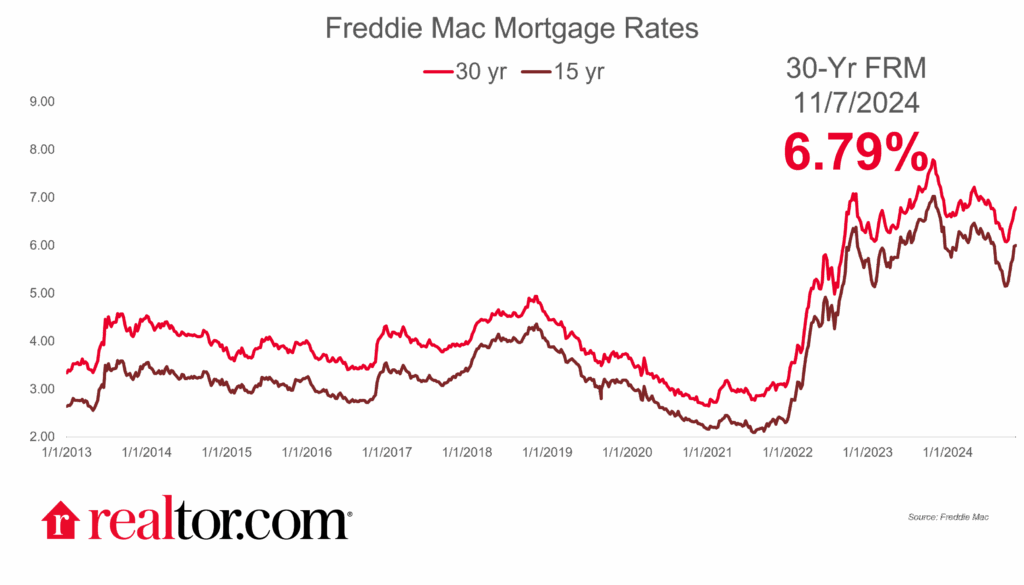
One significant trend is the gradual increase in interest rates. After a long period of historically low rates, the Federal Reserve has started to raise them in response to a stronger economy. Higher interest rates mean increased borrowing costs for homebuyers, potentially affecting their purchasing power and affordability. To stay updated on interest rate changes, it is advisable to regularly check reputable financial news websites such as Bloomberg or Federal Reserve.

Technology and Digital Transformation

The mortgage industry is undergoing a digital transformation, leveraging technology to streamline processes and enhance customer experience. Online mortgage applications, automated underwriting systems, and digital document verification are becoming more prevalent. Lenders are investing in innovative technologies to expedite loan approvals and provide a seamless borrowing experience. To explore the latest advancements in mortgage technology, visit authoritative sources like HousingWire or Mortgage Bankers Association.

Market Insights

Gaining insights into the mortgage market can help homebuyers make informed decisions and lenders identify new opportunities. By analyzing market data and expert opinions, stakeholders can adapt their strategies to maximize their chances of success.

Shift in Mortgage Products

In response to changing market conditions and borrower preferences, mortgage products are evolving. Traditional fixed-rate mortgages are still popular, but adjustable-rate mortgages (ARMs) are gaining traction due to their initially lower interest rates. Additionally, specialized loan programs cater to specific demographics, such as first-time homebuyers or veterans. Staying informed about available mortgage products allows buyers to choose the most suitable option for their needs. Authoritative mortgage sites like Fannie Mae and Freddie Mac provide valuable insights into these changing trends.

Impact of COVID-19

The COVID-19 pandemic has had a profound impact on the mortgage industry. Record-low interest rates were introduced to stimulate economic recovery, leading to a surge in refinancing activity. Homebuyers faced increased competition and limited housing inventory, driving up prices. Government relief programs, such as forbearance options, helped struggling homeowners navigate financial challenges. To keep up with the latest news and updates related to COVID-19’s impact on mortgages, consult trusted news sources like Mortgage Bankers Association or HousingWire.

Implications for Homebuyers, Lenders, and the Real Estate Market

The shifting mortgage landscape has several implications for different stakeholders in the real estate market.

Homebuyers

Homebuyers need to carefully consider the impact of rising interest rates on their affordability. Conducting thorough research, comparing mortgage products, and seeking pre-approval from lenders can help mitigate potential challenges. Additionally, staying informed about the latest market trends empowers buyers to make well-informed decisions.

Lenders

Lenders must adapt their strategies to changing market conditions. Understanding borrower preferences and offering a diverse range of mortgage products can attract more customers. Embracing technology and digitizing processes improve operational efficiency and enhance customer satisfaction. Regularly analyzing market insights ensures lenders stay competitive and make informed decisions.

Real Estate Market

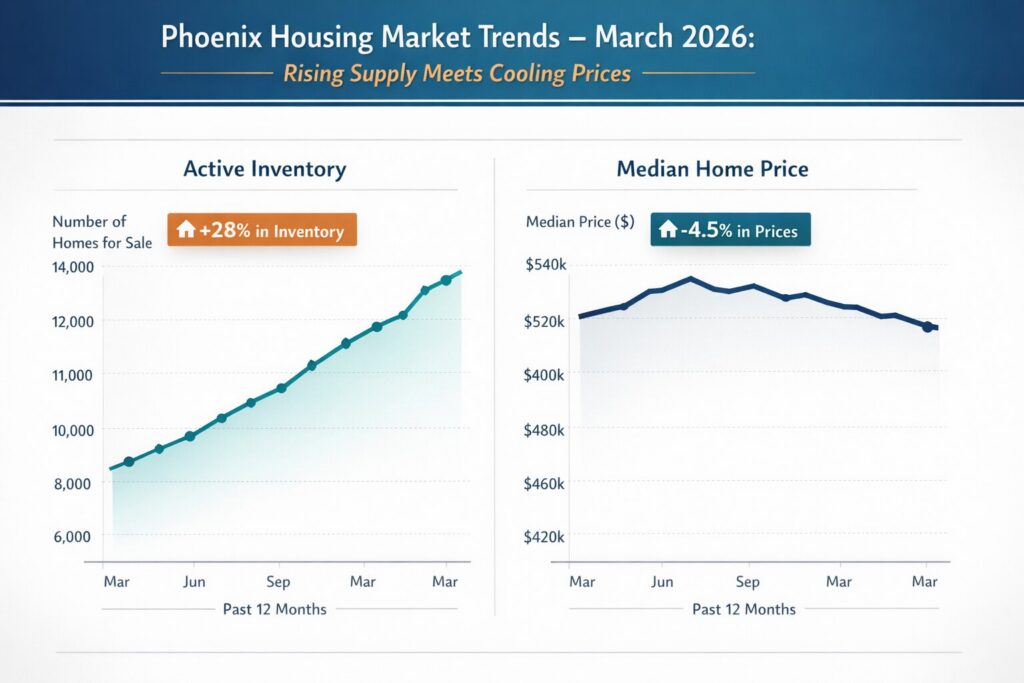
The real estate market is closely intertwined with the mortgage industry. Changes in mortgage trends can impact housing demand, prices, and inventory levels. Housing market professionals, including real estate agents and developers, need to monitor mortgage market developments to anticipate changes in buyer behavior and adjust their strategies accordingly.

Conclusion

The mortgage landscape is continually evolving with various trends shaping the industry. Homebuyers, lenders, and the real estate market must stay informed about these developments to navigate the shifting sands of mortgages successfully. By monitoring interest rates, embracing technology, understanding market insights, and adapting strategies accordingly, stakeholders can position themselves for success in the ever-changing mortgage market.

"The Evolving Mortgage Landscape: Unraveling the Latest Trends and Insights for Homebuyers, Lenders, and the Real Estate Market"
Mortgage News

“The Evolving Mortgage Landscape: Unraveling the Latest Trends and Insights for Homebuyers, Lenders, and the Real Estate Market”

The Evolving Mortgage Landscape: Unraveling the Latest Trends and Insights for Homebuyers, Lenders, and the Real Estate Market

The Evolving Mortgage Landscape: Unraveling the Latest Trends and Insights for Homebuyers, Lenders, and the Real Estate Market

Mortgage Landscape

Introduction

The mortgage landscape is constantly evolving, shaped by various factors such as economic conditions, regulatory changes, and shifting consumer preferences. Staying updated on the latest trends and insights is crucial for homebuyers, lenders, and the real estate market as a whole. In this article, we will explore some of the key developments in the mortgage industry.

The Rise of Online Mortgage Applications

One significant trend in recent years has been the increasing popularity of online mortgage applications. With the convenience of digital platforms, homebuyers can now apply for mortgages from the comfort of their own homes. According to a report by the Mortgage Bankers Association (MBA), online mortgage applications accounted for over 30% of total mortgage applications in 2020.

Online Mortgage Application

This shift towards online applications offers several benefits. It streamlines the mortgage process, reduces paperwork, and expedites loan approvals. Additionally, it allows borrowers to compare rates and terms from multiple lenders, empowering them to make more informed decisions. Hyperlink: Mortgage Bankers Association (MBA)

Changing Interest Rates and Mortgage Terms

Interest rates play a crucial role in the mortgage landscape. In response to economic conditions, central banks adjust rates, which directly impact mortgage rates. Over the past year, interest rates have remained historically low, providing favorable conditions for homebuyers.

According to data from Freddie Mac, the average 30-year fixed-rate mortgage (FRM) fell to a record low of 2.65% in January 2021. This low-rate environment has spurred increased demand for mortgages and refinancing opportunities. Hyperlink: Freddie Mac

Interest Rates

In addition to interest rates, mortgage terms have also evolved. Lenders are now offering more flexible options to accommodate diverse borrower needs. For instance, adjustable-rate mortgages (ARMs) have gained popularity due to their lower initial rates compared to traditional fixed-rate mortgages. This allows borrowers to take advantage of lower rates for an initial term before potential adjustments.

Technological Innovations in Mortgage Processing

The mortgage industry is witnessing a wave of technological advancements that streamline and enhance the mortgage processing experience. Automation and artificial intelligence (AI) are being employed to expedite document verification, underwriting processes, and fraud detection.

By leveraging technology, lenders can improve efficiency, reduce costs, and enhance accuracy. AI algorithms can analyze vast amounts of data to assess borrower creditworthiness more accurately. This benefits both lenders and borrowers by reducing manual work and expediting loan approvals.

Technological Innovations

The Impact of COVID-19

The COVID-19 pandemic has had a profound impact on the mortgage landscape. It resulted in increased market volatility and prompted lenders to tighten lending standards temporarily. However, government interventions, such as forbearance programs and low-interest rates, have helped stabilize the market.

According to the National Association of Realtors (NAR), the real estate market showed remarkable resilience despite the challenging circumstances. Existing home sales in 2020 reached their highest level since 2006, driven by low mortgage rates and increased demand for larger suburban homes. Hyperlink: National Association of Realtors (NAR)

COVID-19 Impact

Conclusion

The mortgage landscape continues to evolve rapidly, driven by technological advancements, changing interest rates, and the impact of external factors like the COVID-19 pandemic. Staying informed about these trends and insights is vital for homebuyers, lenders, and real estate market participants to adapt and thrive in this dynamic environment.

"Breaking Ground: Exploring the Evolving Mortgage Landscape and its Implications for Homebuyers, Lenders, and Real Estate Market"
Mortgage News

“Breaking Ground: Exploring the Evolving Mortgage Landscape and its Implications for Homebuyers, Lenders, and Real Estate Market”

Breaking Ground: Exploring the Evolving Mortgage Landscape and its Implications for Homebuyers, Lenders, and Real Estate Market

Breaking Ground: Exploring the Evolving Mortgage Landscape and its Implications for Homebuyers, Lenders, and Real Estate Market

Introduction

The mortgage landscape is constantly evolving, influenced by various factors such as economic conditions, government policies, and technological advancements. These changes have significant implications for homebuyers, lenders, and the real estate market as a whole.

Shifts in Mortgage Products

One of the key aspects of the evolving mortgage landscape is the availability and diversity of mortgage products. In recent years, there has been a shift towards more flexible options, catering to the needs of different homebuyers. Traditional fixed-rate mortgages are still popular, but adjustable-rate mortgages (ARMs), interest-only mortgages, and hybrid mortgages have gained traction.

This increased variety allows homebuyers to choose a mortgage product that aligns with their financial goals and circumstances. ARMs, for example, offer lower initial interest rates, making them attractive to buyers who plan to sell or refinance in a few years. Interest-only mortgages provide lower monthly payments during the initial period, benefiting buyers with variable income or those who anticipate increased earnings in the future.

Technology’s Impact on Mortgage Process

The digital revolution has significantly impacted the mortgage process, streamlining and simplifying many aspects. Online mortgage applications have become commonplace, allowing homebuyers to apply from the comfort of their homes. This convenience saves time and effort, making the homebuying process more accessible to a wider range of individuals.

Furthermore, technology has facilitated the automation of various stages of the mortgage process, such as credit checks and income verification. This automation leads to faster processing times and reduces the chances of human error. Additionally, digital platforms provide homebuyers with access to real-time mortgage rates and personalized loan offers, empowering them to make informed decisions.

Regulatory Changes and Their Implications

The mortgage landscape is also influenced by regulatory changes implemented by government agencies. These changes aim to safeguard consumers and ensure a stable housing market. For instance, following the 2008 financial crisis, stricter lending standards were introduced to prevent risky lending practices.

While these regulations promote responsible lending, they may also have unintended consequences. Stricter requirements may make it more challenging for some homebuyers, particularly those with lower credit scores or limited financial resources, to qualify for a mortgage. This can impact the demand for housing and subsequently affect the real estate market.

Implications for Homebuyers, Lenders, and Real Estate Market

The evolving mortgage landscape presents both opportunities and challenges for homebuyers, lenders, and the real estate market.

For homebuyers, the increased variety of mortgage products allows for greater customization and flexibility. However, it is crucial for buyers to carefully consider their long-term financial goals and weigh the potential risks associated with certain mortgage options.

Lenders face the challenge of adapting their processes and systems to accommodate the changing mortgage landscape. Embracing technology and investing in digital infrastructure can help lenders streamline operations and better serve their customers. Additionally, lenders need to stay abreast of regulatory changes to ensure compliance and mitigate potential risks.

The real estate market is significantly influenced by the availability and affordability of mortgages. Changes in mortgage products, such as the introduction of ARMs or interest-only mortgages, can impact housing demand and prices. Regulatory changes, on the other hand, may affect the overall accessibility of mortgages and subsequently impact the number of potential buyers in the market.

Conclusion

The evolving mortgage landscape continues to shape the way homebuyers, lenders, and the real estate market interact. The availability of diverse mortgage products, technological advancements, and regulatory changes all contribute to this ongoing transformation. Staying informed about these changes and their implications is essential for all stakeholders involved in the homebuying process.

Scroll to Top