
Stepping into the world of homeownership begins with understanding what a mortgage is and how it works. Whether you’re a first-time homebuyer or looking to refinance, this comprehensive guide breaks down everything you need to know about mortgages in clear, simple terms. From different loan types to application processes, we’ll help you navigate the path to finding the right mortgage for your dream home.
What Is a Mortgage?
A mortgage is a loan specifically designed to help you purchase a home. When you take out a mortgage, a lender provides you with the funds to buy a property, and you agree to repay that loan over a set period, typically 15 to 30 years. The property itself serves as collateral for the loan, meaning if you fail to make payments, the lender can take possession of the home through foreclosure.
Unlike other loans, mortgages are secured by the value of your home, which is why they typically offer lower interest rates compared to unsecured debt like credit cards or personal loans. This security gives lenders confidence to offer larger loan amounts over longer terms.
When you make mortgage payments, you’re not just paying back what you borrowed. Your payment typically includes:
- Principal (the amount you borrowed)
- Interest (the cost of borrowing the money)
- Property taxes (often held in escrow)
- Homeowners insurance (also typically held in escrow)
- Mortgage insurance (if your down payment was less than 20%)
Ready to take the first step?
Find out how much home you can afford and get personalized rate quotes from top lenders.
Types of Mortgages
Navigating the various types of mortgages can feel overwhelming, but understanding your options is crucial to finding the right fit for your financial situation. Here are the most common types of mortgage loans available:
Fixed-Rate Mortgages
With a fixed-rate mortgage, your interest rate remains the same for the entire loan term. This means your monthly principal and interest payments stay consistent, making budgeting predictable.
Common terms: 30-year, 15-year, 20-year
Best for: Homebuyers planning to stay in their home long-term who want payment stability.
Adjustable-Rate Mortgages (ARMs)
ARMs offer a fixed rate for an initial period, then adjust periodically based on market indexes. They’re typically described as 5/1, 7/1, etc., where the first number indicates the fixed-rate years and the second shows how often rates adjust afterward (in years).
Common types: 5/1, 7/1, 10/1
Best for: Homebuyers who plan to move or refinance before the initial fixed period ends.
Government-Backed Loans
These loans are insured by federal agencies, offering more flexible qualification requirements and lower down payments than conventional loans.
- FHA loans: 3.5% down payment with lower credit score requirements
- VA loans: 0% down payment for eligible veterans and service members
- USDA loans: 0% down payment for eligible rural properties
Conventional Loans
Not backed by government agencies, these loans follow guidelines set by Fannie Mae and Freddie Mac. They typically require higher credit scores but can offer competitive rates.
Down payment: As low as 3% for qualified buyers
Best for: Borrowers with good credit and stable income
Jumbo Loans
For properties exceeding the conforming loan limits set by Fannie Mae and Freddie Mac. These loans finance high-value properties but have stricter qualification requirements.
Loan amounts: Typically above $800,000 (varies by county)
Best for: Buyers of luxury or high-cost area properties
Find the best mortgage rates
Compare current mortgage rates from multiple lenders to find the best option for your situation.
How Mortgages Work
The Mortgage Process
Understanding the lifecycle of a mortgage helps you navigate the homebuying journey with confidence. Here’s how mortgages work from application to payoff:
- Application: You apply with a lender, providing financial documentation.
- Pre-approval: The lender reviews your finances and credit to determine how much you can borrow.
- House hunting: With pre-approval in hand, you shop for homes within your budget.
- Offer and acceptance: Once your offer is accepted, the formal mortgage process begins.
- Underwriting: The lender verifies all your information and evaluates the property.
- Closing: You sign final paperwork, pay closing costs, and receive the keys.
- Repayment: You make regular payments over the life of the loan.
Understanding Amortization
Amortization is how your loan balance is paid down over time. With each payment, a portion goes toward the principal (reducing what you owe) and a portion toward interest. Early in your loan, more of your payment goes toward interest, but this ratio shifts over time, with more going toward principal in later years.
Example: 30-Year Fixed-Rate Mortgage
For a $300,000 mortgage at 6% APR with a 30-year term:
- Monthly payment (principal and interest): $1,799
- Total interest paid over 30 years: $347,515
- First payment breakdown: $1,499 interest, $300 principal
- Payment in year 15 breakdown: $899 interest, $900 principal
- Final year payments: Mostly principal with minimal interest
See what your payments would be
Use our mortgage calculator to estimate your monthly payments based on loan amount, interest rate, and term.
Key Mortgage Terms You Should Know
Down Payment
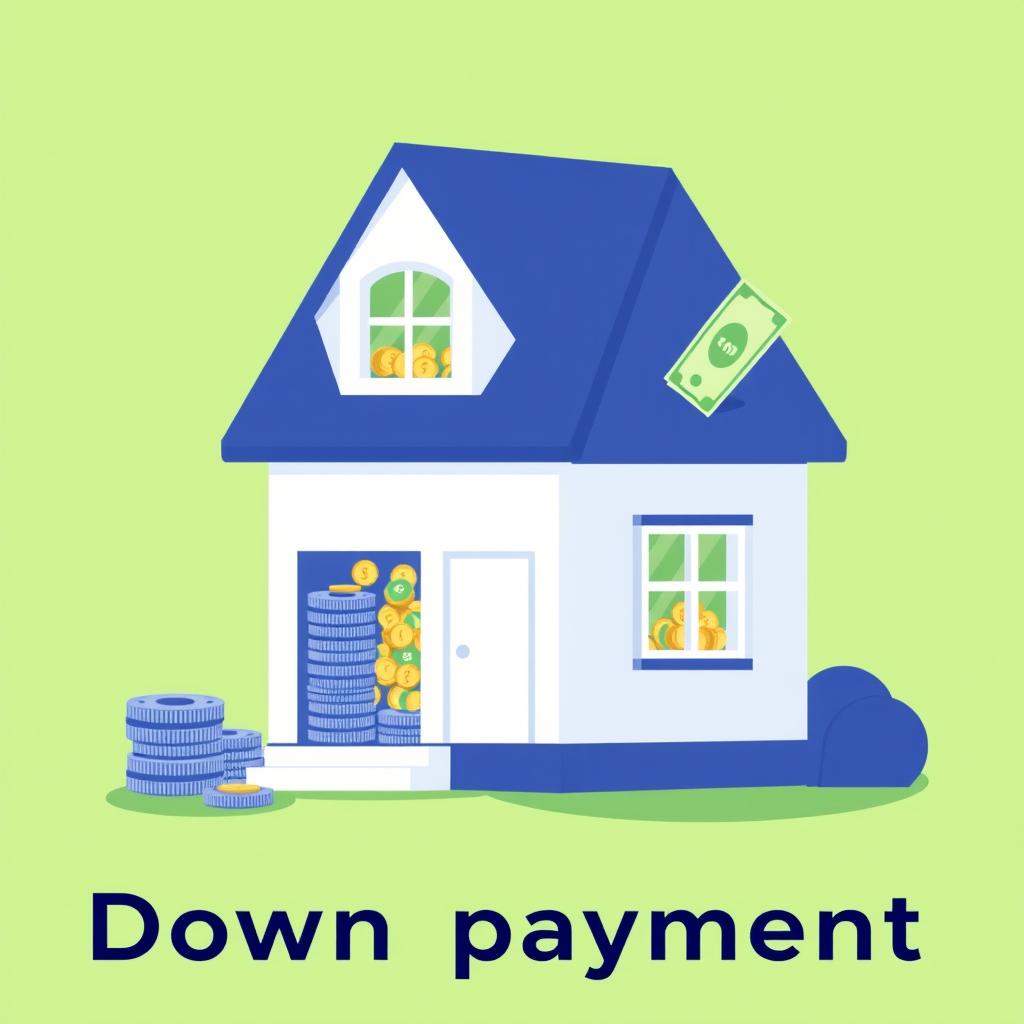
The initial payment you make toward the purchase of your home. Traditional advice suggests 20% of the purchase price, but many loans allow for much less. A larger down payment typically means a lower interest rate and no private mortgage insurance.
Closing Costs
Fees paid at the closing of your real estate transaction. These typically range from 2-5% of the loan amount and include lender fees, appraisal fees, title insurance, taxes, and prepaid items like homeowners insurance and property taxes.
Private Mortgage Insurance (PMI)
Insurance that protects the lender if you stop making payments. Typically required when your down payment is less than 20% on conventional loans. PMI usually costs between 0.5% and 1% of the entire loan amount annually.
| Term | Definition | Why It Matters |
| Interest Rate | The percentage charged for borrowing the mortgage amount | Directly affects your monthly payment and total cost over the life of the loan |
| Annual Percentage Rate (APR) | The yearly cost of the loan including interest and fees | Provides a more complete picture of loan costs than interest rate alone |
| Loan-to-Value Ratio (LTV) | The loan amount divided by the appraised property value | Determines need for PMI and affects interest rate offered |
| Escrow Account | Account managed by your lender to pay property taxes and insurance | Helps ensure these important expenses are paid on time |
| Points | Fees paid to the lender at closing to lower your interest rate | Can reduce your long-term costs if you plan to stay in the home |
Want to learn more about mortgage terms?
Get our comprehensive mortgage glossary with over 100 terms explained in simple language.
The Mortgage Application Process
Getting Pre-Approved
Before you start house hunting, getting pre-approved for a mortgage gives you a clear picture of what you can afford and shows sellers you’re a serious buyer. Here’s what you’ll need:
- Proof of income: Pay stubs, W-2s, tax returns
- Employment verification: Contact information for current and previous employers
- Asset documentation: Bank statements, investment accounts, retirement savings
- Credit information: Your credit score and history
- Personal information: Social Security number, ID, etc.
Most pre-approvals are valid for 60-90 days, giving you time to find your perfect home.

The Underwriting Process
Once you’ve found a home and your offer is accepted, your application enters underwriting. This is where the lender thoroughly evaluates your finances and the property to ensure everything meets their requirements.
Financial Review
The underwriter verifies your income, assets, debt, and credit history to confirm you can afford the mortgage payments.
Property Appraisal
A professional appraiser determines the home’s value to ensure it’s worth at least the loan amount.
Title Search
Confirms the property has a clear title with no liens or ownership disputes that could affect your purchase.
“The mortgage application process can seem intimidating, but breaking it down into steps makes it manageable. Being organized with your documentation is the key to a smooth experience.”
Need help with your mortgage application?
Our mortgage specialists can guide you through every step of the process and answer all your questions.
Pros and Cons of Different Mortgage Options
Advantages of Fixed-Rate Mortgages
- Predictable payments for the entire loan term
- Protection from rising interest rates
- Easier budgeting with consistent payment amounts
- Peace of mind knowing your rate won’t change
- Various term options (15, 20, 30 years) to fit your goals
Disadvantages of Fixed-Rate Mortgages
- Higher initial interest rates than ARMs
- No benefit if market rates drop
- Higher monthly payments with shorter terms
- May be harder to qualify for due to higher payments
- Refinancing required to take advantage of rate drops
Advantages of Adjustable-Rate Mortgages
- Lower initial interest rates and payments
- Potential for lower payments if rates decrease
- Good for short-term homeownership (3-7 years)
- More buying power initially
- May be easier to qualify for with lower initial payments
Disadvantages of Adjustable-Rate Mortgages
- Payment uncertainty after the fixed period
- Risk of significantly higher payments if rates rise
- Complex terms and structures can be confusing
- Potential payment shock when adjustments occur
- Budgeting challenges with variable payments
Which mortgage is right for me?
The best mortgage for you depends on your financial situation, how long you plan to stay in the home, and your comfort with risk. If you value payment stability and plan to stay in your home long-term, a fixed-rate mortgage might be best. If you plan to move within a few years or are comfortable with some risk for potentially lower initial payments, an ARM could be advantageous.
Tips for First-Time Homebuyers

Before You Apply for a Mortgage
- Check and improve your credit score. Aim for at least 620 for conventional loans, though some government-backed loans accept lower scores.
- Save for a down payment. While some loans require as little as 3% down, saving 20% helps you avoid PMI.
- Calculate your debt-to-income ratio. Most lenders prefer a DTI ratio of 43% or less.
- Get your documents in order. Gather pay stubs, tax returns, bank statements, and other financial records.
- Research first-time homebuyer programs. Many states offer down payment assistance and special loan terms.
Shopping for the Best Mortgage
Compare Multiple Lenders
Get loan estimates from at least three different lenders to compare rates, fees, and terms. Even a small difference in interest rate can save thousands over the life of your loan.
Look Beyond the Interest Rate
Consider the APR, which includes fees and gives a more complete picture of loan costs. Also evaluate lender responsiveness and customer service.
Understand the Total Cost
Factor in closing costs, ongoing fees, and potential PMI when comparing loans. The lowest rate isn’t always the best deal when all costs are considered.
First-Time Homebuyer Programs
Many first-time buyers qualify for special programs that can make homeownership more affordable:
- FHA loans: Low down payment requirements and flexible credit guidelines
- VA loans: No down payment required for eligible veterans and service members
- USDA loans: No down payment for eligible rural properties
- State and local programs: Many offer down payment assistance or tax credits
- Fannie Mae/Freddie Mac: Conventional loans with as little as 3% down for first-time buyers
Ready to start your homebuying journey?
Our mortgage specialists can help you understand your options and find the best loan for your needs.
Taking the Next Step in Your Homebuying Journey
Understanding mortgages is a crucial first step toward homeownership. By familiarizing yourself with the different types of loans, key terms, and application process, you’re better equipped to make informed decisions that align with your financial goals and homeownership dreams.
Remember that a mortgage is likely to be the largest financial commitment you’ll make, so take your time, do your research, and don’t hesitate to ask questions. Working with knowledgeable professionals—from mortgage lenders to real estate agents—can help simplify the process and ensure you find the right mortgage for your unique situation.
Begin your homeownership journey today
Take the first step toward owning your dream home with a personalized mortgage consultation.